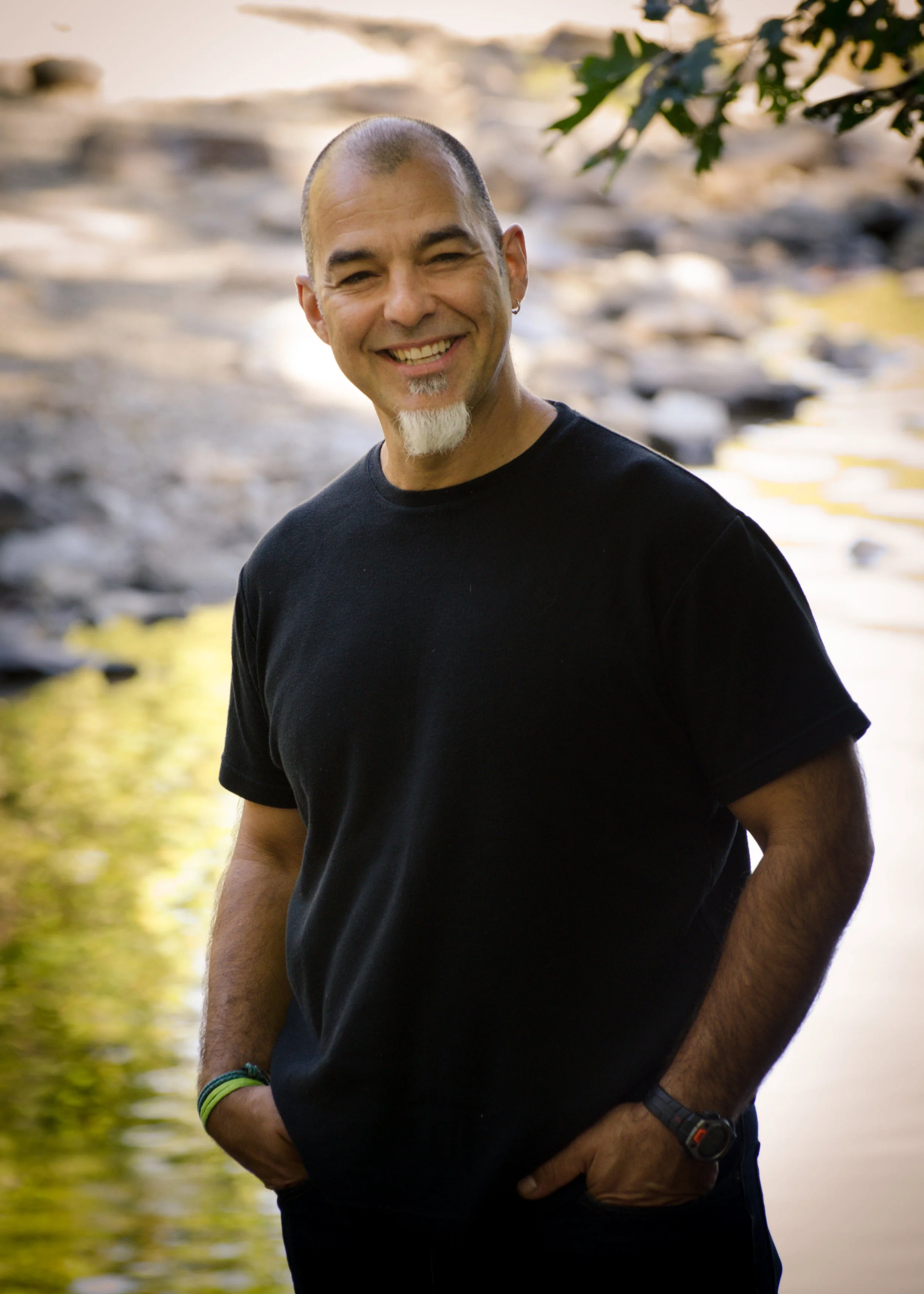
Meet Nick.
At the core of Nick’s work is a clear mission: to help people move through what’s holding them back and toward lives that feel more meaningful, connected, and aligned.
Much of this work focuses on men — supporting them in reconnecting with purpose, reclaiming parts of themselves they’ve been taught to bury, and redefining their worth beyond performance.
Nick’s approach is both evidence-based and experiential. As the founder of Free Range Therapy, he integrates movement, time in nature, and real-world experience into the therapeutic process — grounded in the belief that for many men, insight comes not just from talking about life, but from engaging with it.
His recent work includes collaborations with the The Nova Scotia Ministers Table on Gender-Based Violence, The Mass Casualty Commission, the RCMP/Government of Canada’s Elsie Initiative for Women in Peace Operations in Africa, and academic institutions such as Acadia University — reflecting a broader shift toward more innovative, culturally relevant approaches to men’s health, mental health, and leadership.
Nick is also the Clinical Lead and Co-Founder of The T.O.N.E. Project®, a Movember-funded group therapy program designed to help men step into more honest conversations, stronger connections, and more intentional ways of living.
My Purpose.
My work is rooted in service — to the men I work with, the clinicians and leaders I train and coach, and the systems I aim to influence.
There is a growing social imperative — across therapy, men’s health, leadership, and the communities we live in — to rethink how we understand masculinity, mental health, and wellbeing. Too often, courage and compassion have been framed as opposites. In my work, they are partners.
At the core of my approach is a focus on meaning, purpose and resonance — that sense of aligning who we are, where we can be of service, and how we move through the world are pointing in a similar direction. For too many men, that resonance has been replaced by performance indicators of what others say one should be.
And so much of my work is about interrupting that pattern - especially those unhealthy messages of what kind of men we are supposed to be.
To help us get there, time outside, adventure experiences, and the creating of brave and vulnerable spaces for men to show up as their authentic selves play an important roles here, offering both a mirror and a teacher.
The social imperative behind this work is clear: men’s struggles are not only personal, but systemic. Rising rates of suicide, addiction, violence, and disconnection are not individual failings — they are often the result of cultures that teach men to silence pain and outsource purpose.
Because of this, my work operates both upstream and downstream. Upstream, I support leaders, educators, clinicians and parents in creating environments that foster healthier, more integrated expressions of masculinity. Downstream, I sit shoulder to shoulder with the men and boys already caught in those currents — helping them find their footing, their voice, and a way forward.
Every action, every conversation, every moment of awareness has the potential to reinforce old patterns or to shift them. Real change requires a willingness to step outside comfort, to stay present with discomfort, and to move — not just physically, but emotionally and relationally — toward a more connected and resonant way of living.